
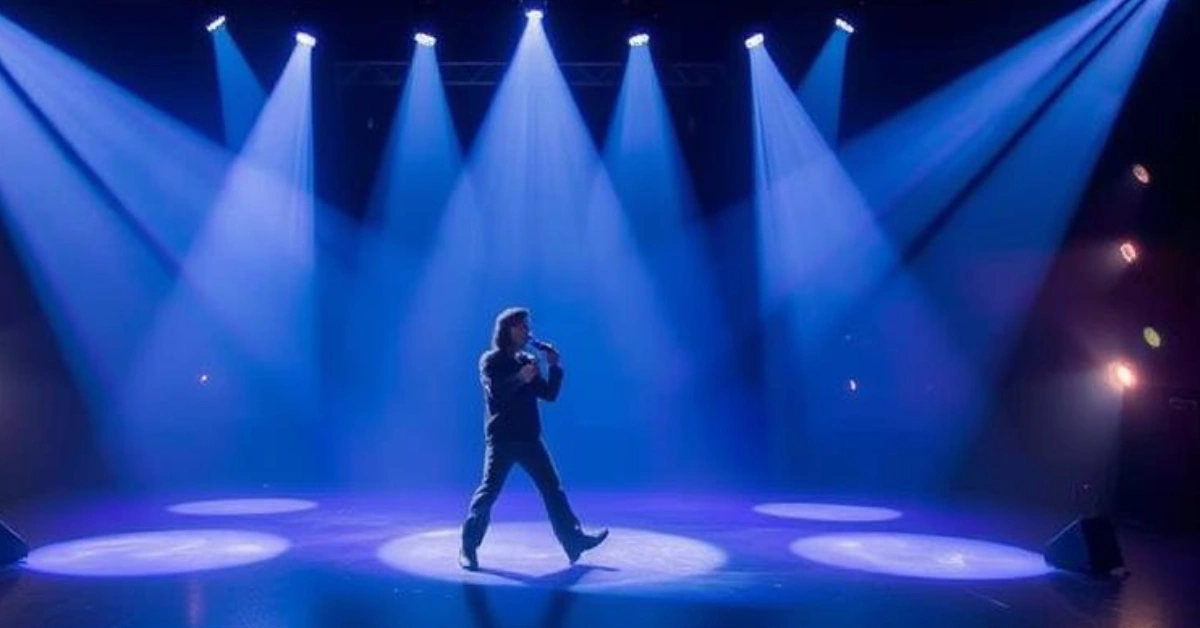
Tribute shows have come a long way from humble beginnings on small stages to performing in large theatres worldwide. These performances, designed to honor iconic artists and bands, have captured the hearts of audiences across generations. The evolution of tribute shows reflects both the growing demand for live music experiences and the dedication of performers who bring legendary songs to life.
Early Days of Tribute Shows
Initially, tribute acts performed in local bars, clubs, and small community venues. These shows were often passion projects, with musicians meticulously studying their idols’ music, style, and stage presence. Audience sizes were limited, but the intimate settings allowed for a personal connection between performers and fans.
Rise in Popularity
As audiences grew, so did the scale of tribute shows. Promoters recognized the appeal of reliving classic performances, and many tribute acts began touring regionally and nationally. The rise of social media and online platforms further amplified their visibility, allowing fans to discover tribute shows and share experiences with fellow enthusiasts.
How We Recreate the Sound of The Eagles on Stage
Big Theatres and Major Productions
Today, tribute shows regularly fill large theatres and arenas. Elaborate lighting, authentic costumes, and sophisticated sound systems create immersive experiences that rival original concerts. Some productions even replicate iconic stage setups and choreography, offering audiences a chance to feel as if they’re witnessing the original artists live on stage.
The Role of Audience Engagement
A key factor in the success of modern tribute shows is audience interaction. Performers often encourage sing-alongs, dance-alongs, and participation, making the show a shared experience. This engagement strengthens the emotional connection, turning a musical performance into a celebration of nostalgia and collective memory.
Tribute Shows as a Cultural Phenomenon
Tribute shows are more than just entertainment—they preserve musical heritage and introduce classic hits to new generations. They bridge the gap between past and present, keeping timeless music relevant and accessible. The growing popularity of these performances highlights their enduring appeal and cultural significance.
Conclusion
From small stages to grand theatres, tribute shows have evolved into sophisticated productions that celebrate music’s legacy. By combining authenticity, performance skill, and audience engagement, tribute acts continue to captivate fans worldwide, proving that great music transcends time and generations.